A mother's hobby masala mixes went from WhatsApp forwards to UK and Dubai kitchens, all from a home kitchen in Mumbai. The cheapest market test in India, turned into a brand.
A mother and daughter turned 50 metres of ajrakh fabric into kurtis and posted them on Facebook. Once the daughter learned to run ads herself, a ₹24 lakh hobby became a ₹10 crore brand.
Cleaned-up cigarette tins, two masalas and a bicycle in 1958 Mumbai. Badshah's founder never chased a big catalogue; he chased a taste people couldn't stop buying.
His family lost everything in a stockbroking scam, so he sold bags on Mumbai's streets. He rebuilt the business into India's fourth-largest backpack maker at ₹250 crore, bootstrapped.
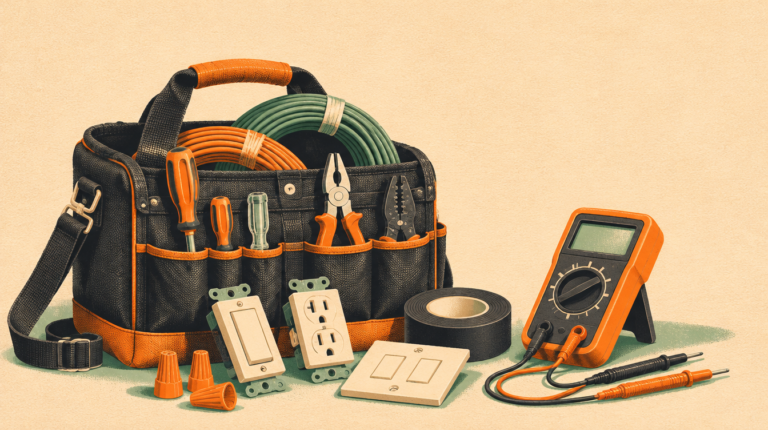
From Mumbai electrical trading roots to India's wires and cables leader, listed in 2019. Polycab won the electrician first, and the household followed.
Every restaurant produces used cooking oil, and regulators increasingly want it handled properly. ARIS BioEnergy turned that waste stream into biofuel feedstock.
He lost his father at 19, borrowed ₹10,000 from an aunt and carried fabric on his bike for years. That stubbornness built Mufti, one of India's best-known menswear brands.
They made clean cosmetics for 30+ other brands first. Then they launched their own vegan label, La Mior, on top of that proven factory and more than doubled revenue.
One student wanted culinary school, not an MBA. That conversation became Klarity, which sells mentoring to colleges and grew from ₹19 lakh to ₹65 lakh with a ₹1.1 crore order book.
Since 1984 Ramsons has argued that good perfume doesn't have to be European. With India's fragrance market growing around 15% a year, that long game is paying off.